




comfort you feel, kindness you can be proud of.
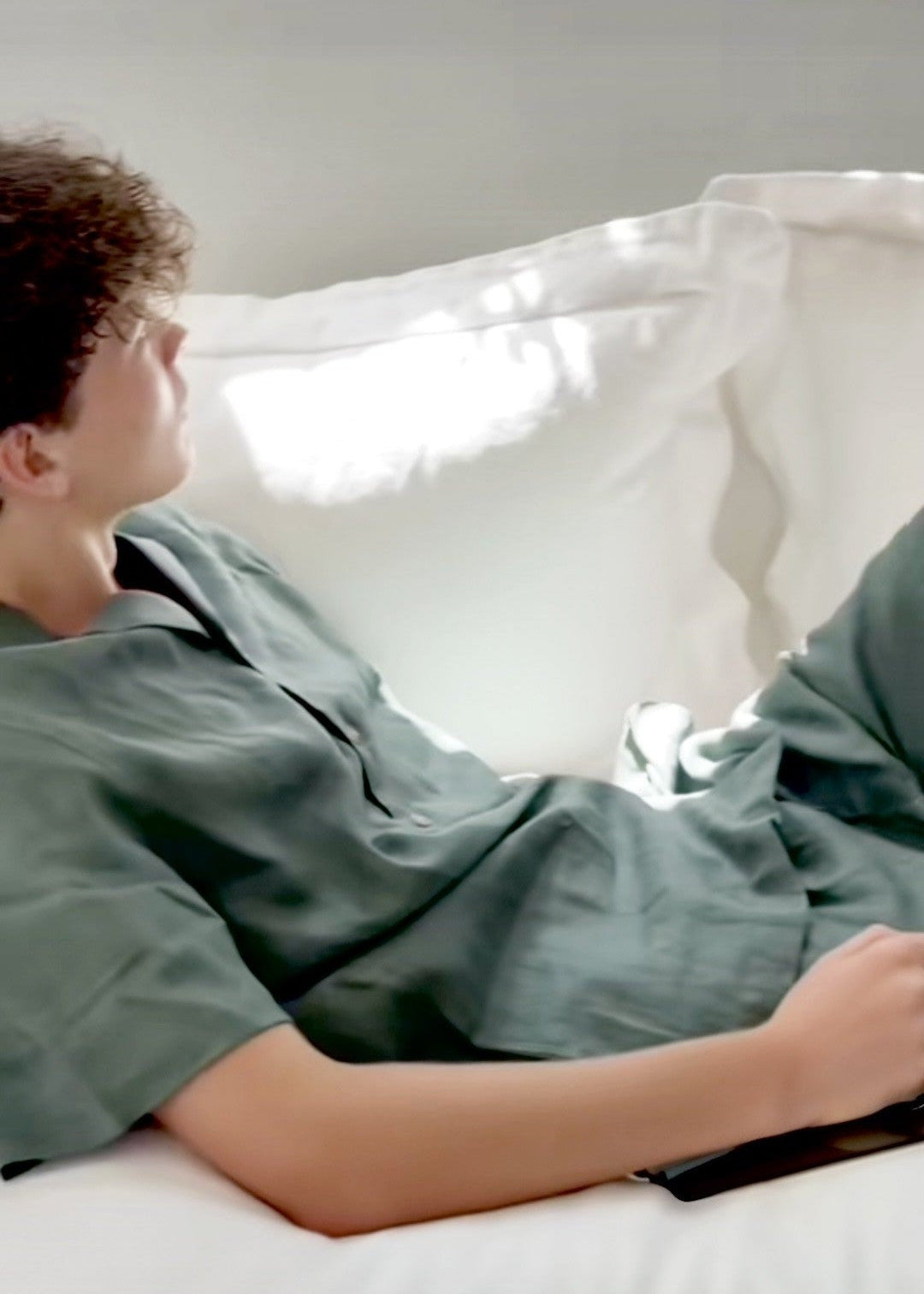
Goodnap is made for more: breathable, skin-safe fibres that help you sleep cooler and deeper, while every piece creates real opportunity for the women who make it. Restoration for you, and for the maker.
Fashion Shapes Lives. We Make Sure It's For The Better.
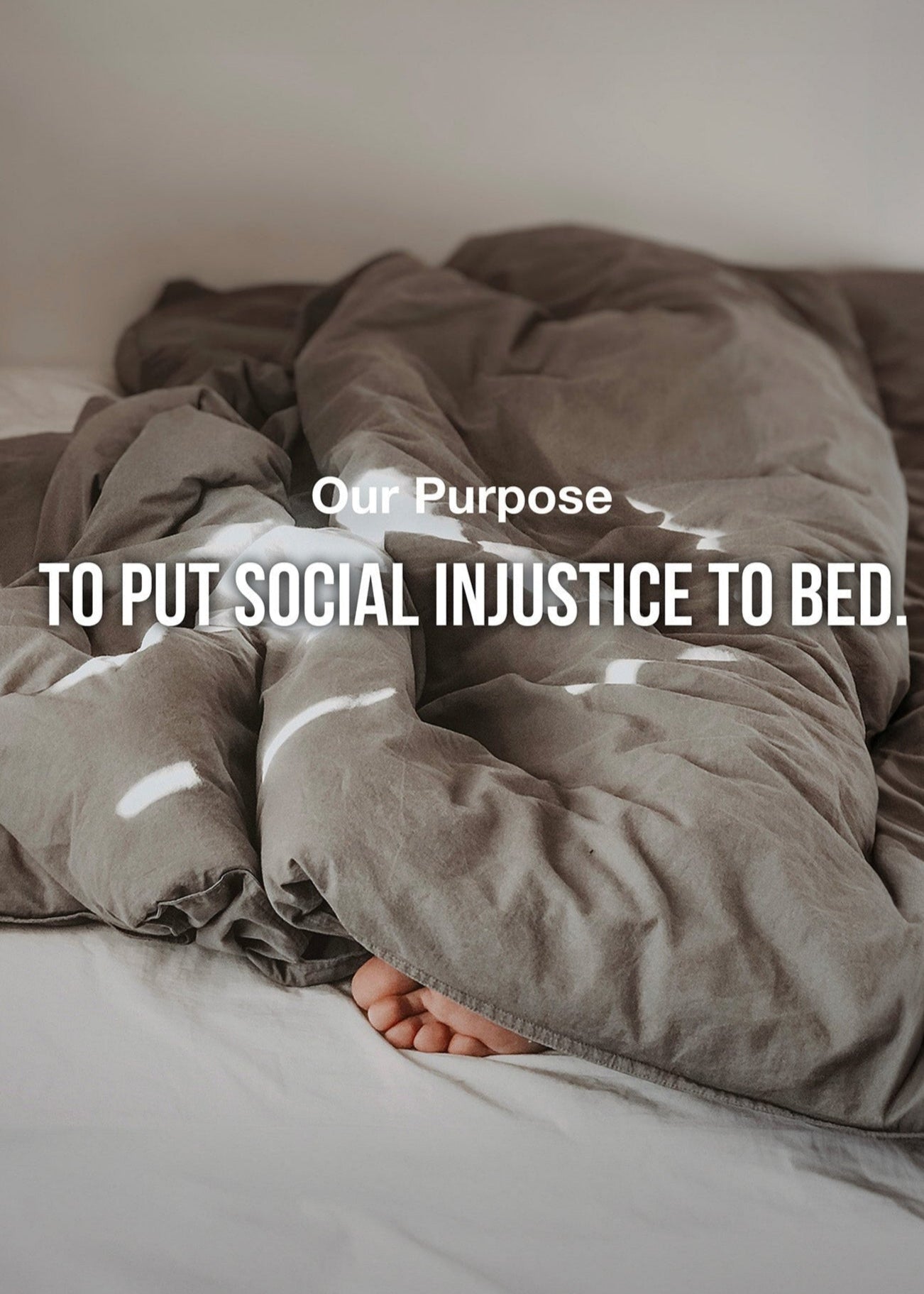
The fashion industry can either exploit people or empower them. We built Goodnap to be living proof of the better path and here's the change we're creating.
An estimated 50 million people are trapped in forced labour worldwide today more than at any point in recorded history.
Globally there are 160 million children aged between five and 17 years in child labour. Half of these children are in hazardous work including in fashion supply chains.
Of the 75 million garment workers globally, 80% are women. These women often face exploitative working conditions, including poverty wages, piece-rate pay, forced and unpaid overtime & health and safety risks.
After tech, fashion is the world’s second-largest industry driving forced and child
labour, poverty wages, and exploitation.
2- 4% of clothing brands even claim to pay a living wage.
"The fast-fashion industry in particular is built on environmental harm and poor working conditions which can be found at every stage of the supply chain from the growing of cotton to the manufacturing of fabric and garments."
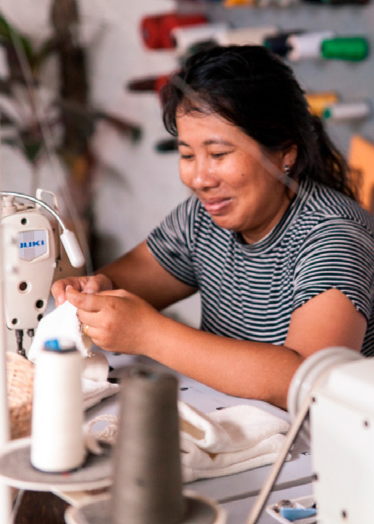
At Goodnap, our supply chain becomes a force for good organic, breathable fibres that help you sleep cooler and calmer, hand-sewn by a woman earning a living wage and building a new future. Every good night's sleep you get gives back.
Employment-As-Empowerment.
We've built a model that turns beautiful sleepwear into a pathway out of exploitation: rescue, restoration, and a real, lasting livelihood.
Rescue
Our partners rescue women and children out of trafficking, exploitation, and forced labour and bring them to safety. Ending cycles of exploitation, combining law-enforcement intelligence, survivor-focused care, and legal action to shut down human trafficking networks.
Restore
From the first moment a survivor enters AIM’s care, they are wrapped in compassion and support. From skilled clinicians tending to physical needs, to trauma-informed counselors, safe housing, healthcare, accommodation, legal support, and childcare.
Empower
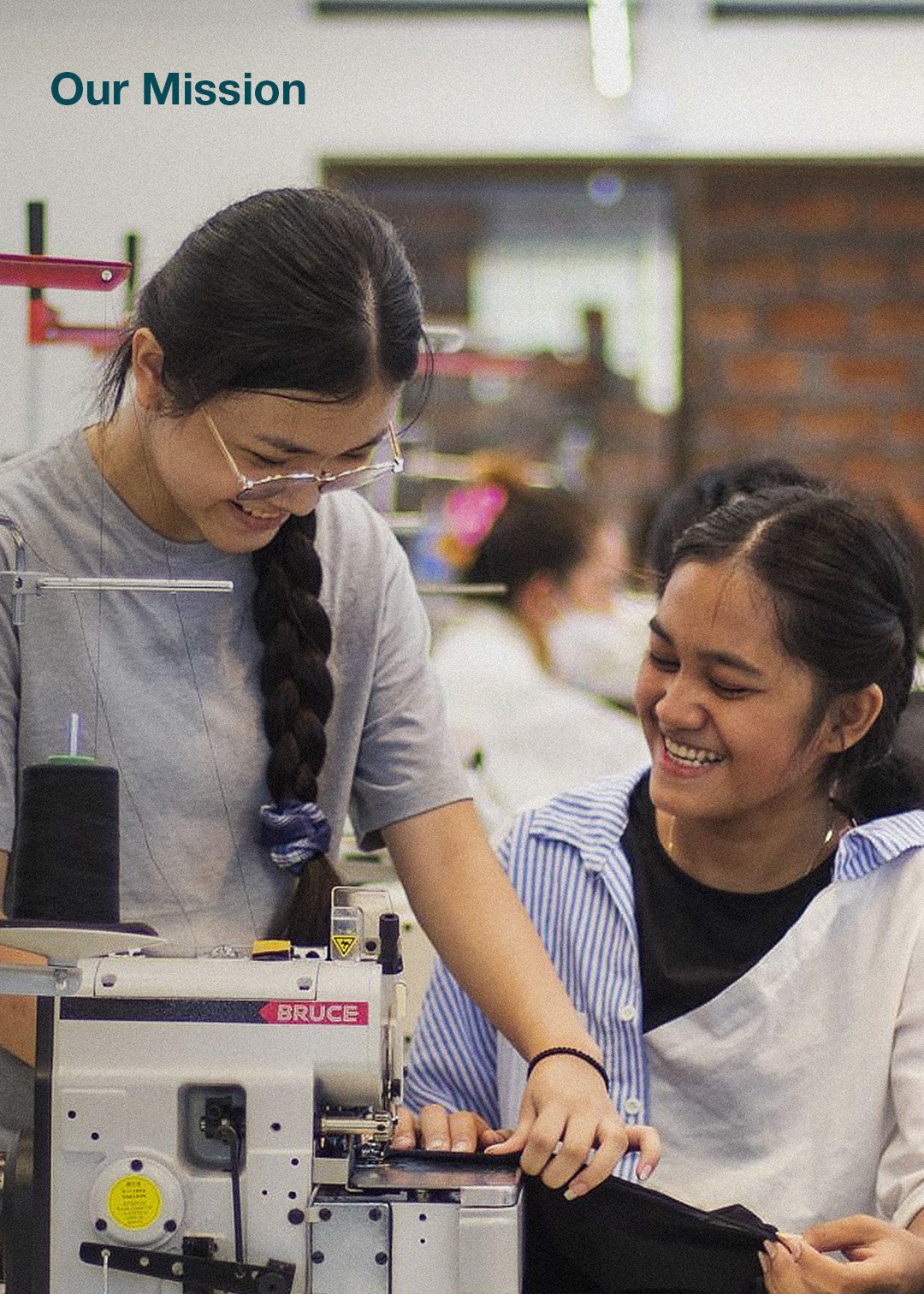
Children are given the opportunity to go to school, while adult women are offered multiple vocational pathways, including sewing Goodnap garments. Equipping survivors with the training, skills development, and living-wage employment they need to build independence and lasting pathways out of exploitation.
One job doesn't just change one life. It rewrites the future for her family, her community, and the generations that follow.
Our Promises.
Every claim we make is backed by something measurable — published openly, and held to independent standards.
A Living Wage.
At Goodnap, a living wage is foundational to freedom.
We align with the Global Living Wage Coalition and Asia Floor Wage Alliance, meaning pay that covers food, housing, healthcare, education, transport, and the ability to save. All sewing centres, fabric suppliers, and fibre farmers must provide evidence of living wages. Where certifications are absent, we require a survey confirming worker rights, including reasonable hours and no forced or child labour. (Labour Standards Policy)
A Cleaner Earth.
Natural, biodegradable fibres, certified organic cotton, European Flax™ linen, and plant-based TENCEL™, chosen for how they're grown as much as how they feel.
Less water, fewer chemicals, lower impact than conventional synthetics. Small-batch collections reduce waste. Certified supply chains uphold chemical management, water stewardship, and environmental standards throughout.
From bloom to bedroom, we consider the full lifecycle of every garment. The result is restwear that's softer on your skin and lighter on the earth.
Humane Work Hours.
At Goodnap, dignified work includes time to rest, recover, and live well.
We align with ILO labour standards: work weeks within legal limits, voluntary and fairly compensated overtime, and at least one full rest day per week.
Through our partnership with AIM in Cambodia, employment is structured around stability, not production pressure. Workers receive sick leave, recreation leave, and access to services that support physical and emotional health.
Because rest, family, and community are not luxuries. They are essential to a life rebuilt with dignity.
Transparent Supplier Relationships.
Every thread tells a story. We request ethical and sustainable certifications from all suppliers, holding them to rigorous standards across labour rights, environmental impact, and circularity.
From cotton field to finished garment, we track it all. [View our sourcing and traceability documentation →]
We're always learning, drawing on groups like the Walk Free Foundation and spaces like The Collaborative Advantage, because building a fairer future takes all of us.
Empowering Work Environment.
All partner organisations provide safe, equitable workplaces with accessible facilities, resources, and equipment.
At AIM's sewing centre (Agape Internationsl Missions), survivors have access to four onsite counsellors, plus healthcare, accommodation, legal representation, and training opportunities.
Maison Chance's Take Wing Centre offers adapted workspaces for people with disability, alongside physiotherapy, aqua-therapy, healthcare, and childcare.
Breaking The Cycle Of Exploitation.
Globally, 160 million children work to meet their families' most basic needs. 53 million are not in school at all.
Our partner centres, AIM and Maison Chance, provide education for vulnerable children and support their families so children don't need to work. Breaking the cycle of poverty before it takes hold.
The People Who Make It Real.
Two on-the-ground partners turn every Goodnap purchase into measurable change for the women and children we serve.
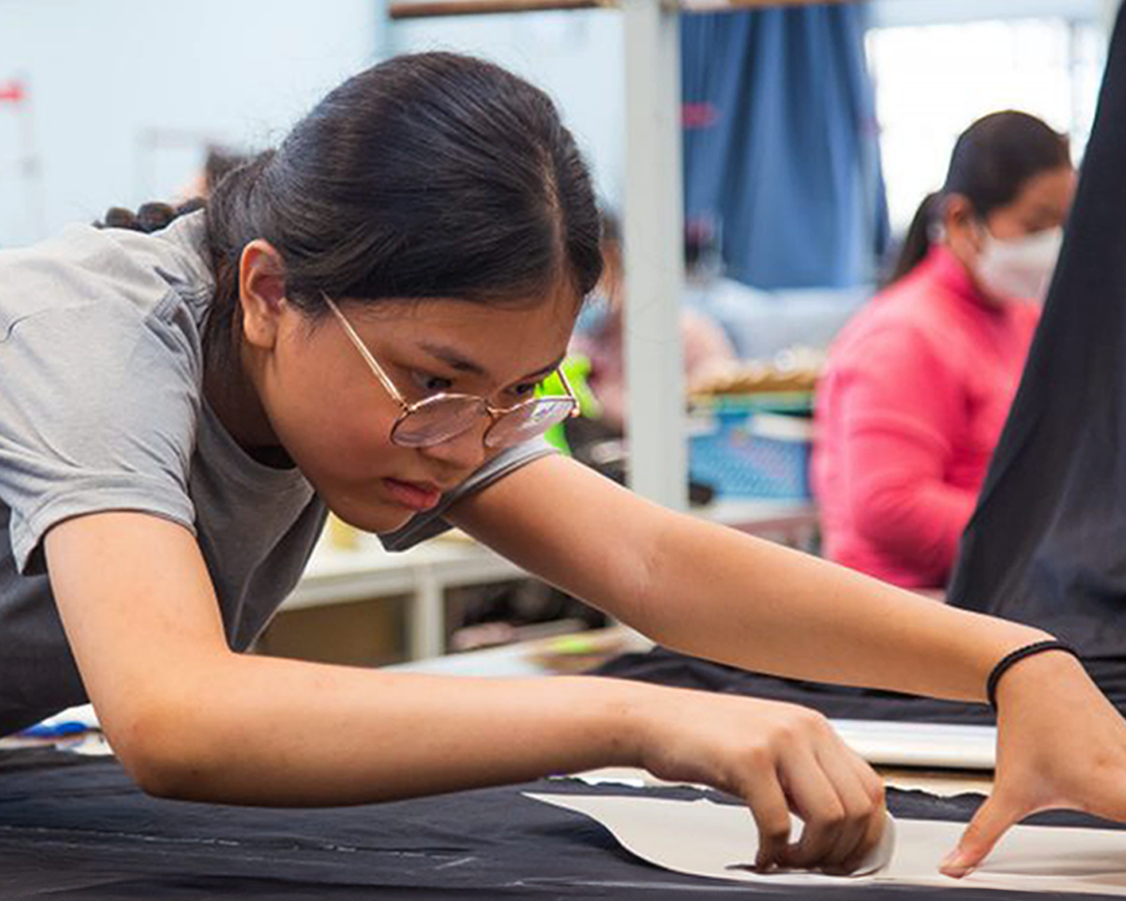
Agape International Missions.
AIM rescues, restores, and empowers survivors and women vulnerable to human trafficking through safe jobs and empowering training in skilled trades like sewing so they can build independent lives. Wrap around support includes life skills, counselling and finance training. Safe housing and schooling for children rescued from trafficking or forced labour.
- Survivors employed 133+
- Years partnered 7
- Children schooled 1,036+
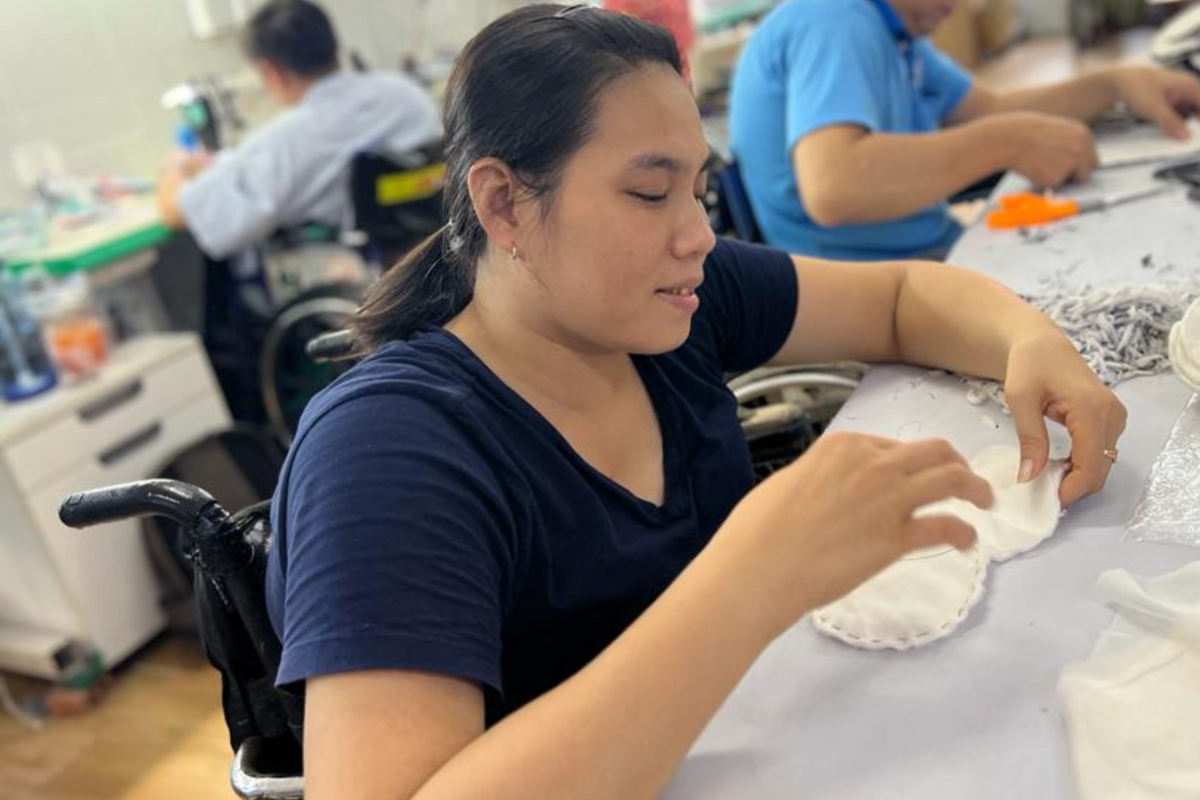
Maison Chance.
Maison Chance has adapted living and employment facilities for disabled adults, providing skills and dignity through fair, paid work.
As well as schooling and orphanages for disadvantaged children or children with a disability.
- Adults trained this year 62
- Years partnered 5
- Families impacted 2,000+
- Children schooled 376
Numbers Behind The Promise.
Every purchase compounds. Here is what twelve years of partnership with the women who make Goodnap has measurably built.
Students Educated
Children of Maison Chance receive full education so their parents don't have to choose between work and their kids' futures.
Survivors Employed
Women rescued from trafficking now sew Goodnap garments full-time at the AIM facility in Cambodia — earning a living wage in a safe workplace.
Garments Traceable
Every Goodnap piece is made at one of our two named partner facilities with no subcontracting.
Figures verified by AIM & Maison Chance partner reports (last updated 2026).
Standards We Stand With.
The organisations whose research, frameworks, and advocacy guide how we build Goodnap and who we hold ourselves to.

Global anti-slavery movement publishing the Global Slavery Index — primary source for our exploitation data.

Demands a fairer, safer, cleaner, more transparent fashion industry — the question every brand should answer.
Independent rating platform scoring brands on labour, environment, and animal welfare. We embrace their transparency standard.
Calculates country-specific living-wage benchmarks. We use their numbers as the floor for what "fair pay" means.
UN agency setting global labour standards. Our work-hour and overtime policies follow ILO conventions.

Our direct manufacturing partner in Cambodia fighting trafficking and employing survivors, providing training, employment and holistic care.
Certifications & Standards.
Every Goodnap fibre and process is held to standards published, audited, and renewed by third parties.

Certificate IDs and audit reports available on request.
Sleep With Purpose.
Every Goodnap garment helps a survivor build her life. Choose comfort that does good and be part of the next number we publish.