






-
What you do before bed matters more than what you do in bed. The three hours before sleep set the conditions your nervous system uses to fall asleep, and to stay asleep.
-
Three cutoffs, three biological reasons. Each cutoff (food, work, screens) addresses a specific stress signal that keeps your nervous system alert when it should be standing down.
-
Stop eating three hours before bed. Late food keeps insulin and core temperature elevated, both of which prevent the metabolic slowdown sleep requires.
-
Stop working two hours before bed. The cognitive activation from problem-solving keeps the prefrontal cortex engaged for 90 to 120 minutes after the task ends.
-
Stop scrolling one hour before bed. Blue light suppresses melatonin, and the dopamine-driven content keeps your reward system stimulated when it should be quieting down.
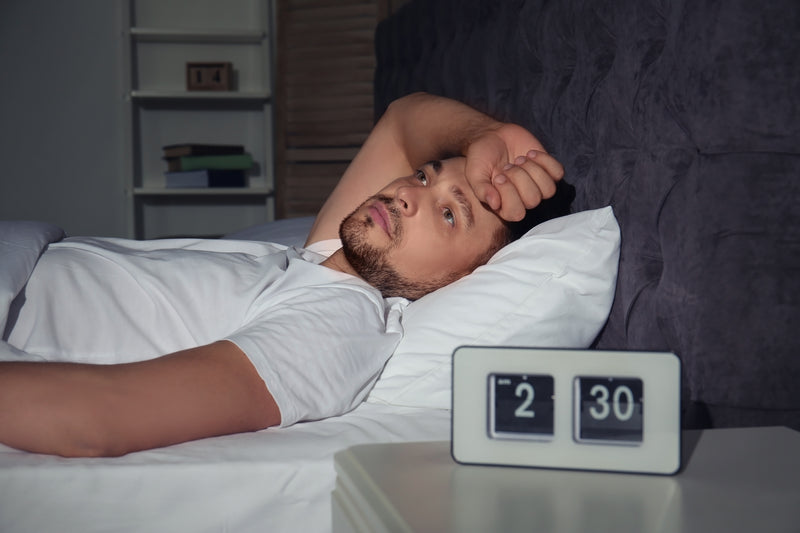
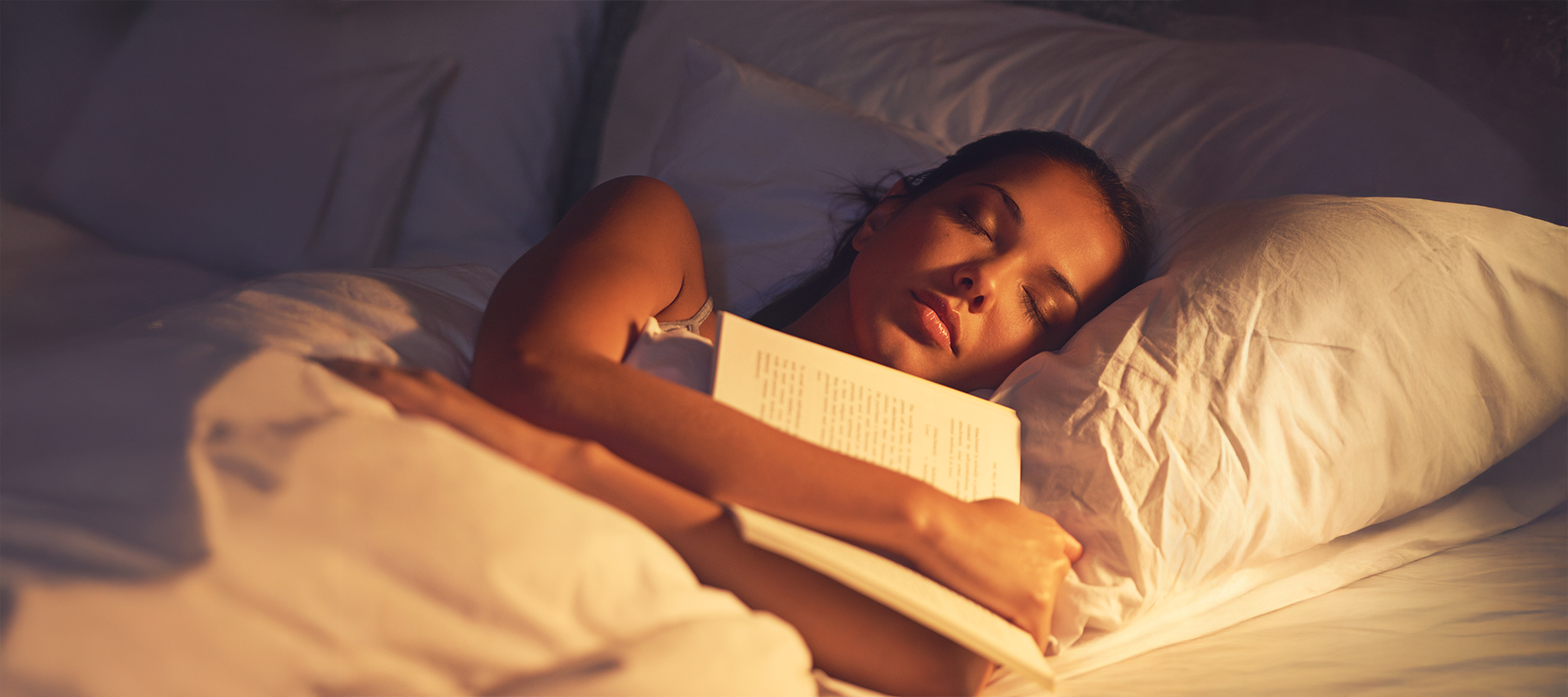
You climb into bed at 11pm. You've technically done nothing wrong. You ate dinner at 8, finished a few work emails at 10, scrolled through your phone for the last 20 minutes. You expect to fall asleep within minutes. Instead, the brain comes alive. The day replays. Tomorrow rehearses. Your body is in bed but your nervous system is still in the office.
What you did in the hours before bed has more impact on how you fall asleep than what you do once you're in bed. The biology of sleep onset depends on a cascade of nervous-system, hormonal, and metabolic shifts that need time and specific conditions to complete. The 3-2-1 framework is a simple way to give that cascade the room it needs.
THE WIND-DOWN CASCADE
Sleep onset isn't a switch. It's a sequence. Three biological systems need to transition from their daytime state to a sleep-ready state, and each one takes time.
The sympathetic nervous system (your fight-or-flight network) needs to step back. The parasympathetic nervous system (your rest-and-digest network) needs to step forward. Cortisol needs to fall. Core body temperature needs to drop. Melatonin needs to rise. The prefrontal cortex needs to disengage from problem-solving mode.
None of these transitions happen instantly. The full cascade takes 60 to 180 minutes depending on what your day has looked like. The 3-2-1 framework gives each transition the time it needs by removing the most common things that block them.
Why three hours for food
Late eating elevates two things sleep needs to fall: insulin and core temperature. Insulin spikes from a meal can persist for 2 to 4 hours. Core temperature (which the body raises to digest food) takes a similar time to fully return to baseline. Both need to be in resting states for the body to enter slow-wave sleep.
How long after eating your body returns to a sleep-ready baseline
Studies on meal timing and sleep architecture show that eating within 3 hours of bedtime measurably reduces deep slow-wave sleep, even when total calories and macros are identical to earlier-eaten meals. The mechanism is metabolic: digestion keeps insulin elevated and core temperature warmer than the body needs to enter restorative stages.
Why two hours for work
The prefrontal cortex is the brain's planning and problem-solving region. It runs hot during work. The cognitive arousal from active problem-solving (whether emails, spreadsheets, or strategy) keeps the sympathetic nervous system engaged for 90 to 120 minutes after the work itself stops. This is why a "quick check of email" at 10:30pm can keep you alert until midnight even if the email took only 5 minutes.
Why one hour for screens
Two effects compound here. First, blue and bright light from screens suppresses melatonin production. Studies show even a few minutes of bright phone light in the evening can delay melatonin onset by 30 to 90 minutes. Second, the dopamine-driven content that fills most modern screens (social media, news, short videos) keeps the reward system stimulated, which is the opposite of the calming-down state sleep onset requires.
The hour before sleep is doing more than people realise. It is the hour your brain uses to decide what kind of sleep it can produce.
Prof. Matthew Walker, UC Berkeley, author of Why We Sleep
THE THREE CUTOFFS, IN PRACTICE
1. Three hours before bed: stop eating
If your bedtime is 11pm, finish dinner by 8pm. The earlier the better. If you can't finish three hours before bed, prioritise smaller, lower-fat, lower-sugar meals as the dinner gets later. A heavy 9:30pm dinner is worse than a light 9:30pm one. Liquids count too: alcohol within three hours of bed fragments the second half of the night even if it helps you fall asleep faster initially.
2. Two hours before bed: stop working
This includes work emails, work-adjacent tasks (planning tomorrow, reviewing slides, mentally prepping for a difficult meeting), and any meaningful problem-solving. It does not include reading for pleasure, light hobbies, or social conversation. The criterion is: "is this engaging the planning brain?" If yes, it counts as work and needs to stop two hours before bed.
3. One hour before bed: stop scrolling
Phones, tablets, laptops. The combination of blue light and dopamine-stimulating content makes the last hour before bed the most damaging on the cascade. Set a phone-out-of-bedroom rule if you need a structural fix. Reading on a Kindle in night mode, with low ambient light, doesn't have the same effect.
4. What to do in the wind-down window
The three cutoffs free up the time. The question is what to fill it with. The most effective wind-down activities all share one feature: they give the prefrontal cortex something to do that isn't problem-solving. Reading fiction. Slow physical activity (a walk, gentle stretching). Conversation that isn't about logistics. Music. A warm bath 60 to 90 minutes before bed. None of these need to be ritualistic or long. They just need to be not work, and not screens.
5. Be honest about your real bedtime
The cutoffs only work if they're set against the time you actually fall asleep, not the time you wish you fell asleep. If you tell yourself bedtime is 10:30pm but routinely don't drift off until 11:15pm, your three-hour eating cutoff should be 8:15pm, not 7:30pm. Reverse-engineer the windows from honest data, not aspirational targets. The framework is forgiving on imperfect execution. It is not forgiving on bad timing.
Changing into something dedicated to rest is a behavioural cue your nervous system has been trained to recognise since childhood. Done at the start of the wind-down window rather than the end, the act becomes the opening of the cascade rather than the closing. Goodnap restwear is built to make the cue both physically and biologically supportive.
Walker, M. (2017). Why We Sleep: The New Science of Sleep and Dreams. Scribner.
Chang, A.M. et al. (2015). Evening use of light-emitting eReaders negatively affects sleep, circadian timing, and next-morning alertness. PNAS, 112(4), 1232 to 1237.
Kinsey, A.W. & Ormsbee, M.J. (2015). The health impact of nighttime eating: old and new perspectives. Nutrients, 7(4), 2648 to 2662.
Borbely, A.A. (1982). A two process model of sleep regulation. Human Neurobiology, 1(3), 195 to 204.
Akerstedt, T. & Nilsson, P.M. (2003). Sleep as restitution: an introduction. Journal of Internal Medicine, 254(1), 6 to 12.