






-
Sleep is your highest-return recovery intervention. Human growth hormone, your primary muscle repair signal, is released almost entirely during deep sleep. There is no supplement that replicates this.
-
Poor sleep raises cortisol, which degrades muscle tissue. Sleep deprivation doesn't just slow your recovery, it actively works against the adaptation you're trying to create.
-
Sleep extension produces measurable performance gains. The Stanford basketball study found 41% accuracy improvements with sleep extension alone, with no other changes to training or nutrition.
-
Protect your first four hours. This is when most slow-wave sleep, and most HGH release, occurs. Alcohol, heat, and late eating all compromise this critical window.
-
A 20-minute nap is a legitimate performance tool. Timed to the early afternoon, it measurably improves reaction time, motor accuracy, and alertness without inducing grogginess.
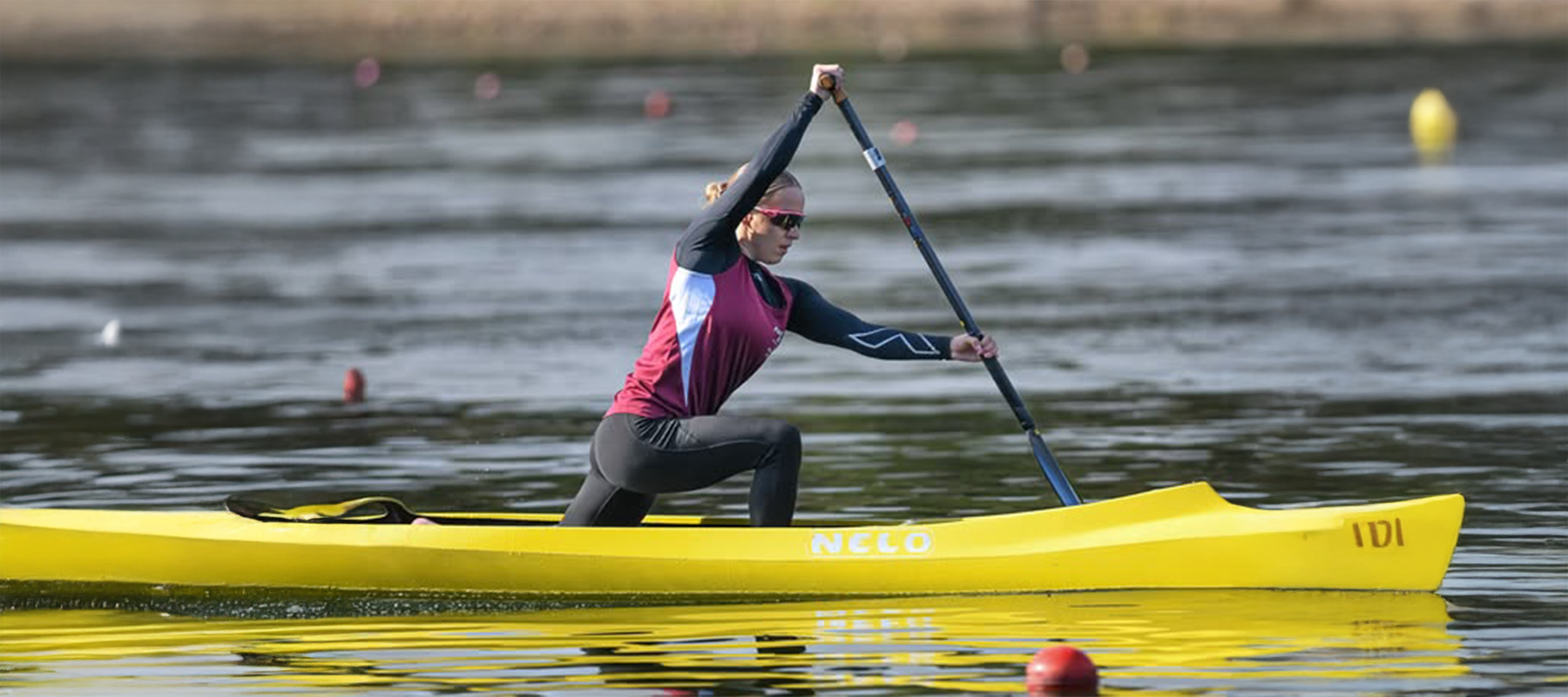
You push hard. You train, you grind, you show up even when you don't feel like it. And yet the recovery isn't matching the effort, the muscles feel heavy, the reaction times slow, the energy inconsistent. You've looked at nutrition, hydration, training loads. The variable you're almost certainly underestimating is sleep.
This isn't a recovery tool that's nice to have. For elite performers, whether you're a professional athlete, a high-functioning executive, or a parent trying to stay sharp, sleep is the single highest-return recovery intervention available. The biology behind this is not subtle.
SLEEP IS NOT REST. IT IS ACTIVE RECOVERY.
During sleep, particularly during slow-wave deep sleep, your pituitary gland releases the majority of its daily human growth hormone (HGH). HGH is the primary hormonal driver of muscle protein synthesis: the process by which your muscles repair the microscopic damage created during training and rebuild stronger. Without adequate deep sleep, this process is fundamentally incomplete. You can eat perfect protein and train optimally, but without the HGH surge of deep sleep, you are leaving the most critical recovery window empty.
Simultaneously, cortisol, the catabolic stress hormone that breaks down muscle tissue, follows an inverse relationship with sleep quality. Sleep deprivation elevates cortisol, creating a biochemical environment that actively works against the muscle repair you're trying to achieve. The result: poor sleep doesn't just slow your recovery, it actively degrades the gains you worked for.
The immune-performance connection
High training loads suppress immune function, this is well established. What is less understood is that sleep is the primary mechanism through which the immune system recovers. Natural killer cell activity, the body's front-line immune defence, falls by up to 70% after a single week of reduced sleep. For athletes in heavy training blocks, this creates a predictable window of immune vulnerability that regularly derails preparation cycles with illness.
Adequate sleep, particularly the right distribution of sleep stages, is the only reliable way to maintain immune resilience under training stress. No supplement, no recovery protocol, and no nutrition strategy substitutes for this.
The Stanford sleep extension study
In a landmark Stanford study, basketball players who extended their sleep to 10 hours per night for five to seven weeks showed a 41% improvement in free throw accuracy, 9% improvement in three-point shooting, faster sprint times, improved reaction time, and significantly reduced fatigue ratings. The players changed nothing except their sleep duration. Sleep extension is now formally integrated into professional sports performance programmes worldwide.
Reaction time and cognitive performance
Physical performance is only part of the picture. Reaction time, critical in sport, in high-stakes professional environments, and in the split decisions of daily life, deteriorates rapidly with sleep restriction. Research consistently shows that 17 hours of sustained wakefulness produces cognitive impairment equivalent to a blood alcohol level of 0.05%. After 24 hours, this rises to the equivalent of 0.10%, above the legal driving limit in most countries. For competitive performers, the cognitive edge that adequate sleep provides is as valuable as the physical one.
Decision-making, risk assessment, emotional regulation under pressure, and the ability to execute rehearsed skills under fatigue all degrade measurably with restricted sleep, and all recover with sleep extension.
Sleep is the greatest legal performance-enhancing drug that most athletes are ignoring.
Prof. Matthew Walker, Why We Sleep, 2017
OPTIMISING SLEEP FOR PERFORMANCE
1. Prioritise consistency over heroics
Elite sleep isn't about occasionally getting nine hours after a hard week. It's about consistent, regular sleep timing that keeps your circadian system stable and your HGH release predictable. Going to bed and waking at the same time, including weekends, maintains the hormonal regularity that performance depends on. Irregular sleep timing fragments hormonal cycles even when total sleep hours appear adequate.
2. Protect the first four hours
The majority of slow-wave deep sleep, and therefore the peak of HGH release, occurs in the first half of the night. Anything that fragments the early sleep cycle (alcohol, late eating, high room temperature, stress) directly reduces the growth hormone output that drives physical recovery. Protecting the quality of your first four hours of sleep is a higher leverage intervention than simply extending total time in bed.
3. The strategic nap
A 20-minute nap taken between 1pm and 3pm, timed to align with a natural post-lunch circadian dip, measurably improves alertness, motor accuracy, and reaction time without inducing sleep inertia. Many elite sports programmes now build nap protocols into training schedules alongside nutrition and physical recovery sessions. This is not an indulgence. It is a recovery tool with a robust evidence base.
4. Pre-sleep thermal management
For performers, thermoregulation before sleep is a specific recovery tool. A warm shower 60 to 90 minutes before bed accelerates the core temperature drop required for deep sleep onset, shortening sleep latency and increasing time in slow-wave stages. Combined with a cool sleeping environment (16 to 18°C), this thermal preparation can meaningfully increase the proportion of sleep spent in the deep stages where physical recovery is most intense.
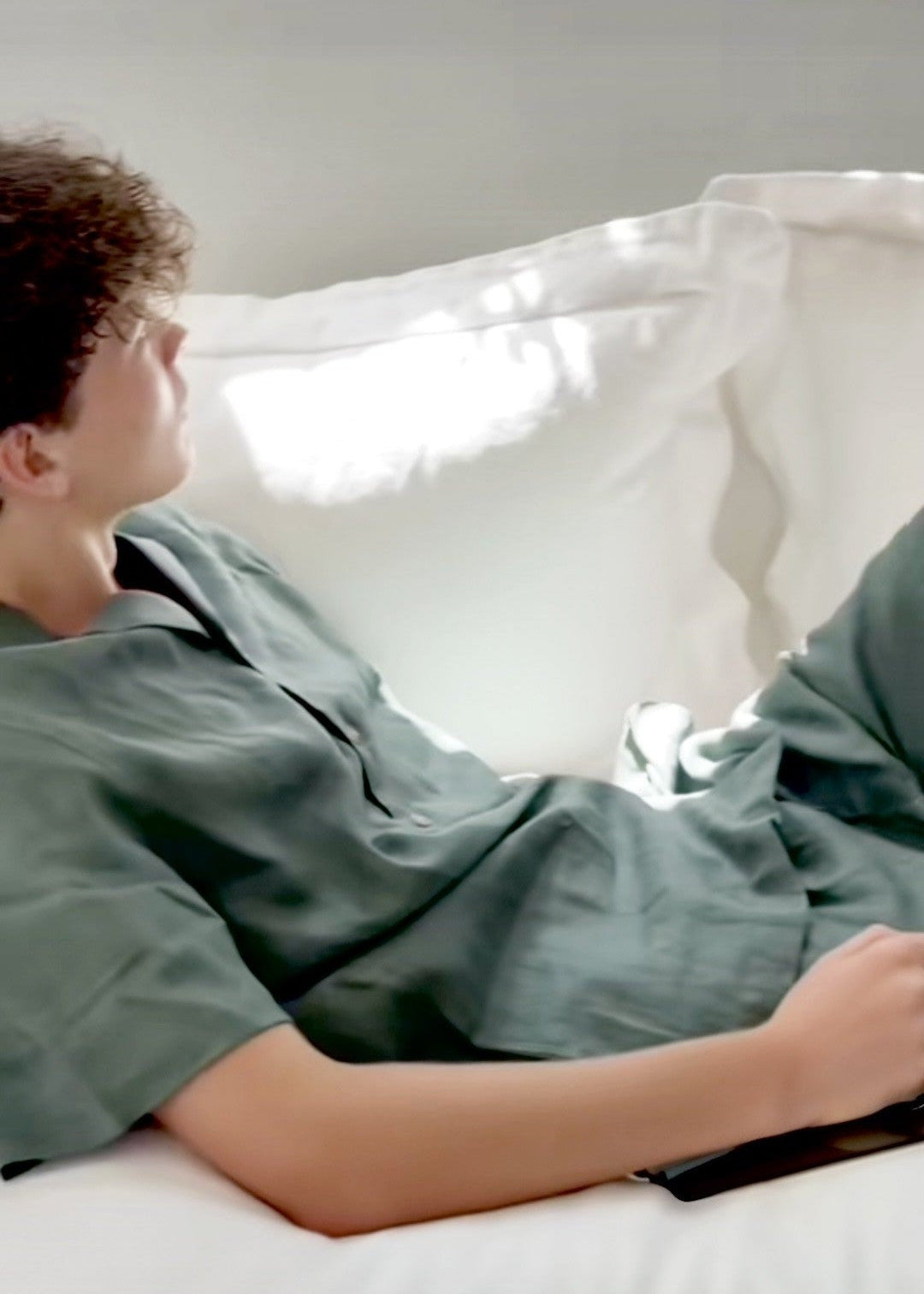
The ritual of changing into dedicated sleepwear is a proven behavioural cue that begins the transition from performance mode to recovery mode. Breathable, temperature-regulating fabric supports the thermal conditions that deep sleep requires, making your bedtime routine part of your recovery protocol, not just a habit. Because for performers, every variable counts.
Mah, C.D. et al. (2011). The effects of sleep extension on the athletic performance of collegiate basketball players. Sleep, 34(7), 943 to 950.
Walker, M. (2017). Why We Sleep: The New Science of Sleep and Dreams. Scribner.
Fullagar, H.H.K. et al. (2015). Sleep and athletic performance: the effects of sleep loss on exercise performance and physiological and cognitive responses. Sports Medicine, 45(2), 161 to 186.
Irwin, M. et al. (1994). Partial night sleep deprivation reduces natural killer and cellular immune responses in humans. FASEB Journal, 10(5), 643 to 653.